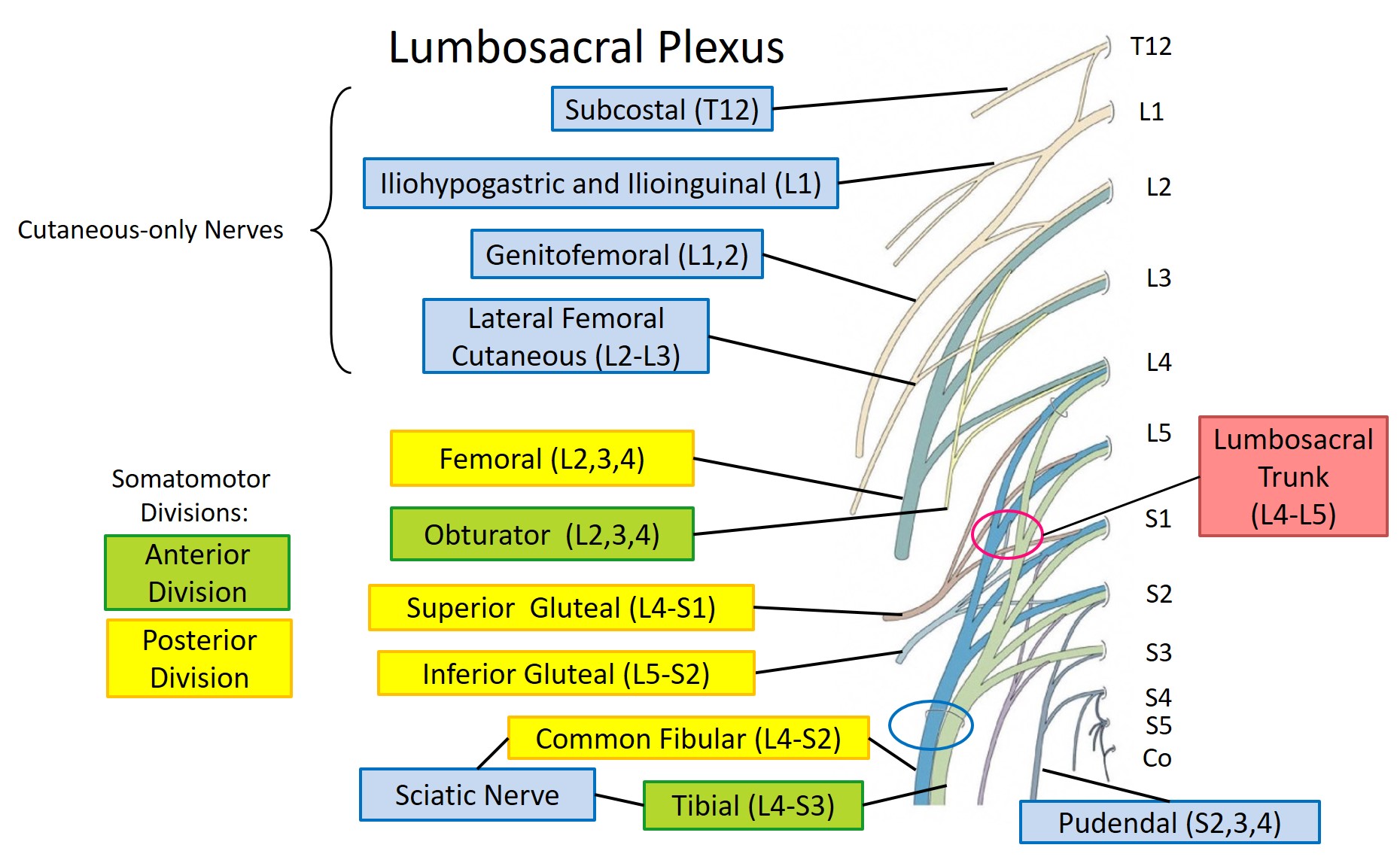
14 Lumbosacral Plexus Diagram Biology Diagrams The lumbar plexus is a network of nerves that arises from the anterior rami of spinal nerves L1-L4, along with a contribution from the anterior ramus of spinal nerve T12.It is located on the posterior abdominal wall, anterior to the transverse processes of the lumbar vertebrae and within the posterior portion of the psoas major muscle.. The lumbar plexus gives rise to several branches which

The lumbar plexus is a complex network of nerves formed by the anterior rami of the lumbar spinal nerves L1 through L4, sometimes with contributions from T12. This plexus gives rise to several important nerves that innervate the lower abdomen, pelvis, and lower extremities.[5] Structure Components: The lumbar plexus consists of the anterior (ventral) rami

Anatomy, Diagram, Location, Functions Biology Diagrams
Lumbosacral Plexus Diagram. Move the Slider to Practice! The lumbosacral plexus is a network of nerve fibers that innervates muscles and provides sensation from the lower limbs. It is formed by the anterior rami of T12-L4/5 nerve roots. To simplify, the lumbar (T12-L4/5) and sacral plexuses (L4-S4) will be discussed separately. The Lumbar Plexus (*136 (plexus lumbalis) (Figs. 822, 823, 824). 826- Diagram of segmental distribution of the cutaneous nerves of the right lower extremity. Front view. The Genitofemoral Nerve (n. genitofemoralis; genitocrural nerve) arises from the first and second lumbar nerves. It passes obliquely through the substance of the Psoas
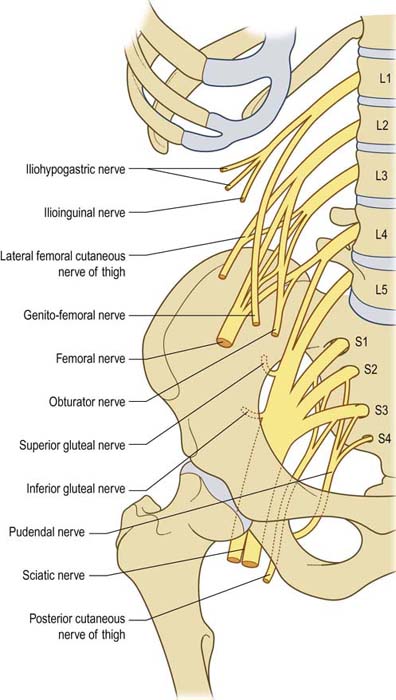
The lumbosacral plexus is a network of nerve fibers, derived from the roots of lumbar and sacral spinal nerves that branch out to form the nerves supplying the lower limb.In the human body, there are 31 pairs of spinal nerves corresponding to a segment of the vertebral column: cervical (C1-C8), thoracic (T1-T12), lumbar (L1-L5), sacral (S1-S5), and coccygeal.

Lumbosacral Plexus - an overview Biology Diagrams
The lumbar plexus is a web of nerves (a nerve plexus) in the lumbar region of the body which forms part of the larger lumbosacral plexus.It is formed by the divisions of the first four lumbar nerves (L1-L4) and from contributions of the subcostal nerve (T12), which is the last thoracic nerve.Additionally, the ventral rami of the fourth lumbar nerve pass communicating branches, the lumbosacral